A King, a Prince and a Republic in Between: What May Happen in Iran, Has Already Happened in England!
King Mohammad Reza Pahlavi was deposed in 1979 as Iran’s last King, prior to the formation of an Islamic Republic. But will he be Iran’s last king? Not many Iranians may realize that the British went through a similar ordeal, namely the replacement of a Kingdom with a Republic. But that Republic did not last long and the King’s son was returned to power.
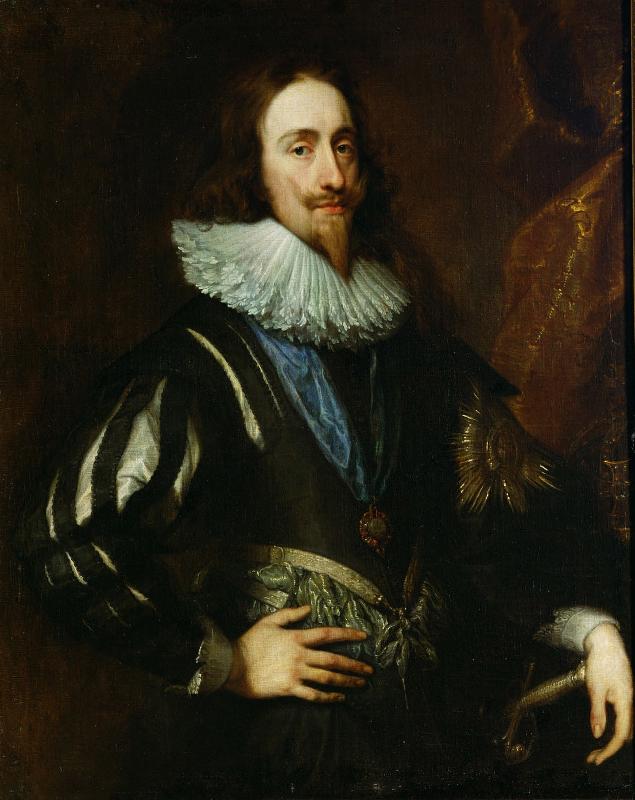
King Charles I who ruled England until 1649 including the last 11 years which were known as “11 years of tyranny,” during which the King declined to honor the Parliament and ruled as an autocratic and absolute monarch. This prompted a bloody civil war that lasted several years and culminated in the trial and execution of the monarch, exile of his son Charles II, and the establishment of a Republic under the Commonwealth of England supervised by Oliver Cromwell, as Lord Protectorate who was a religious man and a firm believer in Providentialism—that God was actively directing the affairs of the world, through the actions of "chosen people" like himself. He interpreted victories as indications of God's approval and defeats as signs that God was pointing him in another direction.
Despite Cromwell’s initial refusal to take power, his office took on more of the trappings of a monarchy, including upon his death, his son, Richard, being named as Lord Protectorate. However, with no backing from either Parliament or the Army, he was forced to resign.
The British republic lasted for 11 years, from 1649 to 1660. It followed the execution of King Charles I and lasted until the restoration of the Constitutional Monarchy under Charles II, son of King Charles I, who was invited back from exile to assume the monarchy with the necessary constitutional adjustments made which his late father resisted. The restoration also included an ancient prerogative known as habeas corpus, which required a court to examine the lawfulness of a prisoner's detention and thus prevent unlawful or arbitrary imprisonment of dissidents and critics of the government.
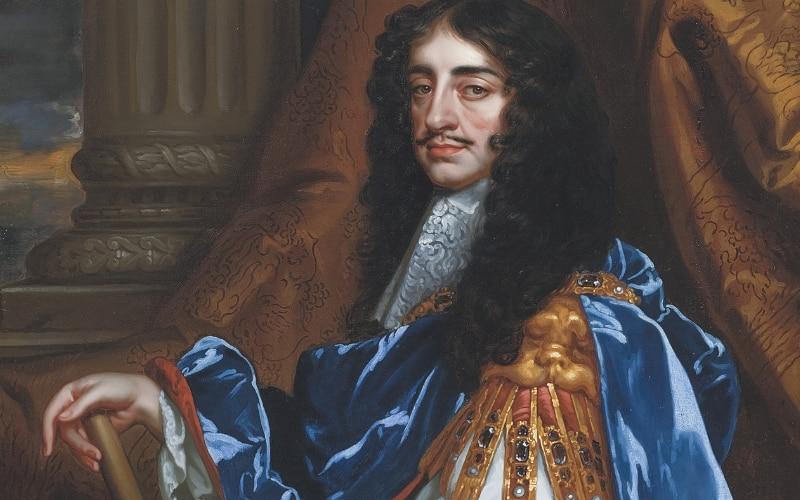
England’s constitutional monarchy continued to evolve with the addition of the Bill of Rights in 1688. The Bill requires the Crown to seek the consent of the people as represented in Parliament. It also sets limits on the powers of the monarch by establishing the rights of Parliament to meet regularly and hold free elections. The Bill also listed individual rights, including the prohibition of cruel and unusual punishment and the right not to pay taxes levied without the approval of Parliament.
Will Iran experience the same? Will the exiled son of the former King be in charge of a Constitutional monarchy? Will Iran have its own modern version of Bill of Rights and habeas corpus? After all, The Cyrus Cylinder (539 BCE) from Persia is widely considered the world's first charter of human rights and presented as the "First Bill of Rights" to the UN in 1971.
Related to History:
- The Persian Influence on Christmas and Christianity
- UNESCO Recognizes The Cyrus Cylinder as the First Documented Human Rights Charter
- The Influence of Persians and Shirazis on East Africa and Zanzibar
- The Statue of Liberty Was a Muslim Woman Born in Egypt!
- Archived Videos: Oil, Wealth and Culture in Iran and Arab Countries
- Video: A Day in The Life of a Dictator
- 1950s Video: Americans Enter Farms in Iranian Villages
- Sean Stone Discusses Trump, Iran and Peace in the Middle East
- In Pictures: Ashura Re-enactment with 1200 Actors
- Videos: The Nomadic Life of the Bakhtiari Tribe in Iran
- Grass: The 1925 Film About the Journey of the Bakhtiari People
- Breathtaking Aerial Views: A Window to Iran's Rich Culture and History
- Greece's Ancient Canal was Built by Persians
- Rare Historic Videos About the Life and Views of Iran's Last King
- President Nixon's Views About the Shah of Iran, Hostages and Israel