Expert Analysis: 8 Facts Nobody Can Deny About Current Iran
Editorial by R. Bazargan
Despite conflicting reports about Iran, the following facts are not hidden from any candid observer of the current situation in Iran:
1. The Islamic republic has domestically built impressive missile, drones and nuclear programs, both for offensive and preventative purposes. During the Biden and Obama administrations, the Ayatollahs and their powerful network of allies (Hezbollah, Syria, Iraqi Shia militia and Yemen) rejected attractive offers of trade normalization with the US, Israel and Arab countries. The former President Rafsanjani, who mysteriously died while swimming, was the last Islamic Republic official who advocated for free markets and better ties with the US, Europe and Arab countries instead of close ties to Russia.
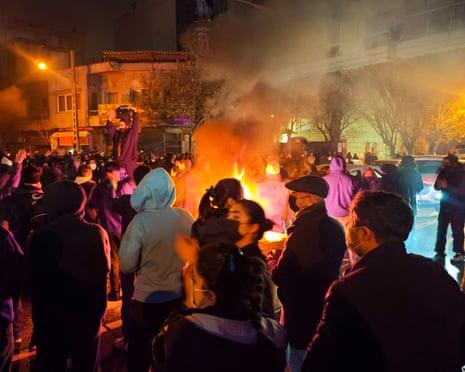
2. The country has one of the worst economies in Asia despite having one of the best natural and human resources in the world. The ongoing hyperinflation (approaching 100% in some food items) and currency devaluation (also about 100% in one year) has crushed the middle and working class Iranians, who protested, and died, on the streets two weeks ago (more than 10,000 by some accounts). There are also some five million Iranians who have chosen to live abroad. By some estimates, one third of Iran’s export sales are repatriated to foreign countries or never return to Iran. In North America, Iranian migrants are among the wealthiest and most educated minorities that have chosen residency abroad over returning to their homeland. The majority of these expats vehemently support freedom movements in Iran such as the 2009 Green Revolution, The 2022 Women-Life-Freedom movement and recent protests.
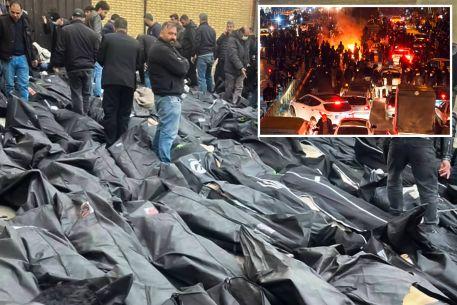
3. The government blames US-imposed sanctions for the economic collapse. The Supreme Leader blamed Trump for the unrest. Regime’s domestic critics, however, including pro-regime conservative Islamists, blame systemic corruption for the financial misery. Both sides may be correct because the systemic corruption and embezzlements are often associated with efforts to bypass the US sanctions by IRGC agent dealers (on commission) trading contraband Iranian oil in world’s black markets and under-the-table deals in exchange for foreign currency and weapons supplied to IRGC proxies in Lebanon, Iraq, Yemen and Palestine.
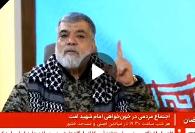
4. Apart from the economic collapse, the regime is extremely unpopular among Iranians who demand democratic reforms and freedom of speech and head cover. Voter turnout in recent elections has been less than 20% in Tehran and some other cities. Unlike previous nationalistic protests, during recent protests, thousands of protesters fed up with the Islamic Republic, died or risked their lives "counting" on support from foreign nations (US or Israel). Just days before the recent protests and massacre, Ali Jannati, the former Minister of Culture, counselor to the head of Iranian presidential administration and senior son of Ayatollah Ahmad Jannati, the trusted advisor to Iran's Supreme Leader and former chairman of the Assembly of Experts (Leadership Selection Council), acknowledged the current regime is unpopular and unreformable (video below in Persian): “The popular grievance needs a spark to get out of hand. Reforms, when too late, are not useful! Our middle class is crushed. We face shortage of food and staples. Everything is in a state of suspension, except our missile program.. Polls show, and I don't want to share the exact numbers, that the regime's popularity is extremely low. How could such a regime stay in power?”
5. Apart from being unpopular domestically, the regime is internationally unpopular too. Jannati says: “We have no foreign friends either except maybe North Korea. Hezbollah, Venezuela and Syria are gone.” The regime’s strategic blunder to supply Russians with drones to bomb civilians in Ukraine has enraged the European Union leaders, prompting them to join Trump in imposing crippling sanctions on the Ayatollahs.
6. Foreign military and financial pressures have prompted the regime to become increasingly intolerant and paranoid about domestic critics. Many of the regime’s former top officials are either jailed (Mousavi, Karrubi, Rahim Mashayi, etc.), killed (Rafsanjani) or censored/blacklisted (Khatami, Zarif, Rouhani, Ahmadinejad, etc.). Many regime supporters now call it a kleptocracy, run by Mafia-like circles linked to the IRGC and Security apparatus.
7. In recent years, several former regime officials, including a former President (Bani Sadr) and Security Chiefs (Kangarloo, Fallahian, Rafighdoost) have disclosed accurate details (in channels like Tarikh Online) about the role of the regime's radical and militant factions in assassinations (domestic and foreign) and anti-Israel, anti-US foreign operations worldwide.
8. Iran is not Syria, Libya or Sudan and a civil war is unlikely even if the current regime is overthrown by Iranians or foreign forces. Iranians of all ethnicities are generally nationalistic, united and proud of their Persian empire heritage, which is now undermined by Islamic extremists. Abroad, Iranian migrants who have key positions in Israel and the US are not advocating for any break up of the country. Unlike in previous movements, however, the domestic protesters seem to be less timid and not hesitant to engage in armed confrontations with the riot police, IRGC and Basij (pro-government militia). Although some protesters may have been armed with knives or pistols, videos show most protesters used traffic signs, fires and rocks to defend themselves despite Iranian TV claims that "terrorists were heavily armed by Israel and trained to use rocks and knives!" Many Iranian observers believe if the protesters had received or seized a large number of weapons and help in coordinating with each other, the regime would probably collapse. Although civil war and disintegration of the country is unlikely, the next revolt can become bloody if the large number of Iranians hired by police and security forces (by some accounts 5% of the population), are not assured of amnesty after the collapse and decide to fight instead of surrendering to the 95%.
Editorial by R. Bazargan
Related to Revolution: