Major publicity and economic setbacks for Iranian government

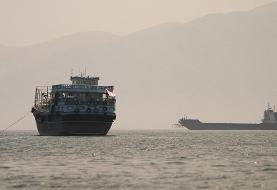
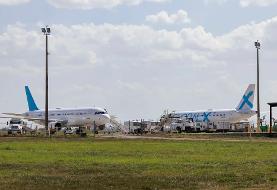
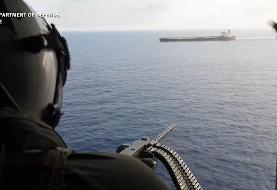
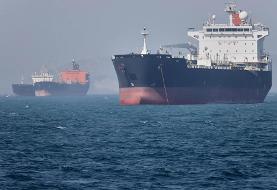
The world's largest oil exporter, Vitol, along with Trafigura are stopping gasoline sales to Iran, industry sources said on Monday, joining a growing list of suppliers that have halted sales under threat of U.S. sanctions. This could lead to an escalation of the rationing and black market of gasoline inside Iran.
- The French Foreign Minister has joined the Administration of The Cannes Film Festival to condemn the political imprisonment of Jafar Panahi, famed award-winning Iranian film maker, by the Iranian government. The arrest has also prompted outcry among artists and film makers inside and outside Iran.
- According to his wife, Wilson Issavi, the Iranian priest of the Assyrian Church in Kermanshah who was arrested by Security forces on February 2, 2010, has been tortured and physically mistreated inside the prison. So far, no formal indictments or reasons for the arrest have been provided by the government. Christian organizations and human rights groups advocating freedom of religion, have condemned the arrest and alleged torture.
 Mohammad Maleki
Mohammad Maleki, one of the world's oldest political prisoners at the age of 76, has been indicted with treason and "war against the government" by the Iranian judiciary. Maleki's wife alleges he suffers from prostate, diabetes and heart problems, and was arrested from his sickness bed by security forces for charges of "insulting the esteemed leader." If convicted, Maleki could be sentenced to death because of the "war against the government" charges which critics and reformists call outrageous and absurd.
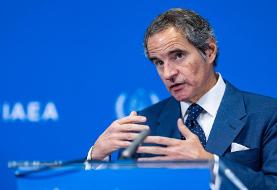
- In a declaration signed by a group of 177 prominent nuclear physicists and scientists, they have asked the international community to not focus their objections only on Iranian government's nuclear ambitions, but also voice an equally strong objection to the government's violation of basic human rights of the Iranian people.
- Mohammad Salimi Namin, a conservative ally of the Iranian leader Ayatollah Khamenei, and Director of "The Office of Editing Contemporary Iranian History," in a shocking statement admitted that the rift between Hashemi Rafsanjani and Ali Khamanei was caused by Hashemi's objection to the "kind of election engineering that our esteemed leader had planned." Hashemi Rafsanjani, a powerful figure and one of the founding fathers of the Islamic Republic and the 1979 Revolution, has vocally supported reformists alleging fraud in June 2009 Presidential elections that led to Ahmadinejad's second term in office. Reformists allege that the June Election was engineered and rigged to in advance to favor Ahmadinejad with approval by Iranian leader, Ayatollah Khamenei. Hundreds of reformists and street protesters have since been imprisoned, tortured or killed by the government.
»This is a summary of the original feature in Farsi. To request a more extensive translation of the Farsi text, please contact us.